Table of Contents (11 sections)
What are Future Coupon Trends?
As we move further into 2026, the couponing landscape is evolving rapidly. Future coupon trends indicate a shift from traditional paper coupons to more innovative, tech-driven solutions. This evolution is largely fueled by the rise of digital technology, changing consumer behaviors, and a growing emphasis on sustainability.
Historically, coupons served to incentivize purchases and stimulate sales. However, with increasing competition in retail and the shift to e-commerce, businesses must adapt their strategies to remain relevant. The new trend is not just about providing discounts but creating an engaging, user-friendly experience that adds value.
According to a recent report by UFC-Que Choisir, the digital coupon market is expected to grow by 25% over the next five years, indicating a significant shift towards online platforms. These trends are essential for brands looking to maintain consumer loyalty in a saturated market.
Digital Coupon Innovations
The rise of blockchain technology is transforming how coupons are managed and distributed. By using decentralized networks, companies can ensure that coupons are not only fraud-resistant but also easily trackable, providing valuable data insights. For instance, brands like Starbucks and McDonald’s are already exploring blockchain solutions to manage loyalty rewards and coupon redemption effectively.
Digital wallets are gaining traction as well. As of 2026, over 40% of consumers regularly use mobile payment applications to redeem digital coupons. This figure is projected to increase as smartphone penetration and capabilities expand, making it easier and more efficient to access savings.
Furthermore, innovations in augmented reality (AR) will allow users to engage with coupons in dynamic ways. Imagine scanning a store shelf and seeing interactive coupons pop up on your device. Such experiences can enhance consumer engagement, potentially increasing the conversion rate of coupon redemptions.
Sustainability in Couponing
As consumers become more environmentally conscious, the couponing industry is responding to this demand by incorporating sustainability into their practices. Eco-friendly coupons, which promote sustainable practices, are becoming more common. For example, several brands now offer cashback rewards for opting for eco-friendly products.
In 2026, nearly 60% of consumers stated that they prefer receiving coupons from brands with sustainable practices, according to 60 Millions de Consommateurs. Brands like IKEA have led the charge by offering discounts on recycled products, resonating with environmentally minded consumers.
Additionally, print coupons are making a digital transition. Companies that once relied heavily on printed materials are adopting digital strategies to reduce paper waste. Recycling programs are also emerging, where customers can trade in their expired coupons for points or rewards. This trend not only reduces waste but also fosters consumer loyalty.
Coupon Personalization and AI
In 2026, personalization is a key trend in couponing. With advancements in artificial intelligence, companies are leveraging data analytics to tailor coupon offers based on consumers' preferences and behaviors. The result is not just more relevant discounts but a significant increase in redemption rates.
Statistics show that personalized coupons yield a redemption rate of nearly 25%, compared to just 5% for generic coupons. For instance, brands like Amazon and Target utilize algorithms to analyze purchasing history, crafting targeted campaigns that encourage repeat purchases. This trend is likely to dominate as personalization technology becomes more sophisticated.
The integration of machine learning allows brands to predict future buying behaviors. Such insights can be transformative in determining what products to promote through coupons, ensuring that offers resonate with targeted consumers.
Mobile Accessibility and Integration
With an increasing emphasis on mobile usability, coupons are becoming more accessible. By 2026, it is projected that 70% of coupon redemptions will occur via mobile devices. Applications designed for easy access to coupons and seamless checkouts are leading this change.
Retailers are developing user-friendly mobile apps that store digital coupons, notify users of expiring promotions, and suggest targeted discounts. This kind of integration significantly enhances user experience and boosts brand engagement.
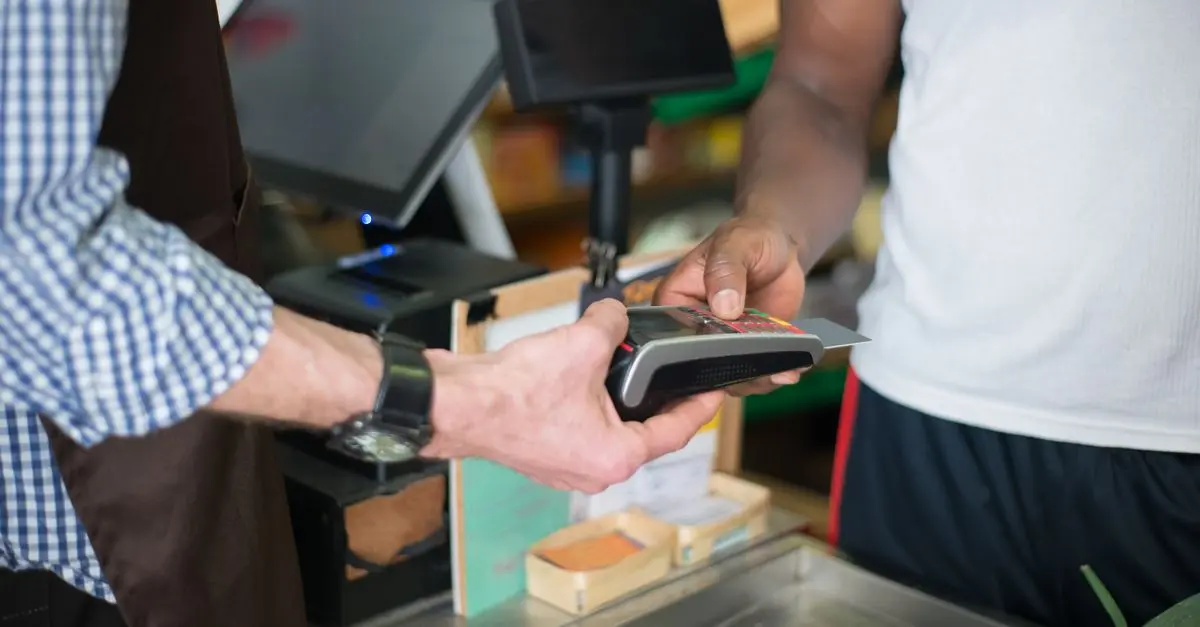
The rise of near-field communication (NFC) technology has simplified the redemption process. Customers can now simply scan their smartphones at checkout to apply coupons instantly, eliminating the need for physical coupons and streamlining the shopping experience.
Social Media and Influencer Coupons
Social media is rapidly transforming the couponing industry, with platforms like Instagram and TikTok emerging as vital channels for marketing. Influencer partnerships have become increasingly commonplace, where brands collaborate with social media personalities to introduce exclusive coupon codes to their followers.
A survey by Les Numériques found that approximately 40% of millennials engage with coupons shared by influencers, demonstrating the effectiveness of this trend. These partnerships not only broaden the reach of coupon campaigns but also engage communities around brands, enhancing loyalty.
As social media continues to evolve, expect to see more dynamic couponing strategies, including story-based promotions and interactive content that allows consumers to engage with brands in real time.
Community-Centric Coupons
Community-driven initiatives are reshaping how companies approach couponing. Many brands are creating local coupons that resonate with specific communities, fostering consumer loyalty and supporting local economies.
For instance, small businesses are increasingly collaborating with platforms like Nextdoor to provide neighborhood-specific discounts. This trend is supported by the finding that almost 55% of consumers prefer shopping locally when rewarded with community-oriented promotions.
Such initiatives not only enhance sales but also strengthen community bonds, emphasizing cooperativeness over competition. This shift could redefine couponing as a tool for community engagement.
📺 Resource Video
> 📺 For more on future coupon trends: Explore the detailed insights on how couponing is evolving in 2026. Search on YouTube: “future coupon trends 2026”.
Checklist before Couponing
- [ ] Confirm the coupon is valid and not expired
- [ ] Check for purchase restrictions
- [ ] Review the terms for stacking coupons
- [ ] Assess if the product is on sale
- [ ] Subscribe to newsletters for exclusive deals
Glossary
| Terme | Définition |
|---|---|
| Blockchain | Technology that securely records transactions across multiple systems, increasing transparency and reducing fraud. |
| Personalization | Tailoring marketing content and offers to meet individual consumer preferences and behaviors. |
| NFC | Near-field communication; a method allowing mobile devices to communicate and transfer data when in close proximity. |